top of page

Concealing Smart Home Systems in High-End Design

  • Writer: LA Techs
    LA Techs
  • Aug 25, 2025
  • 3 min read

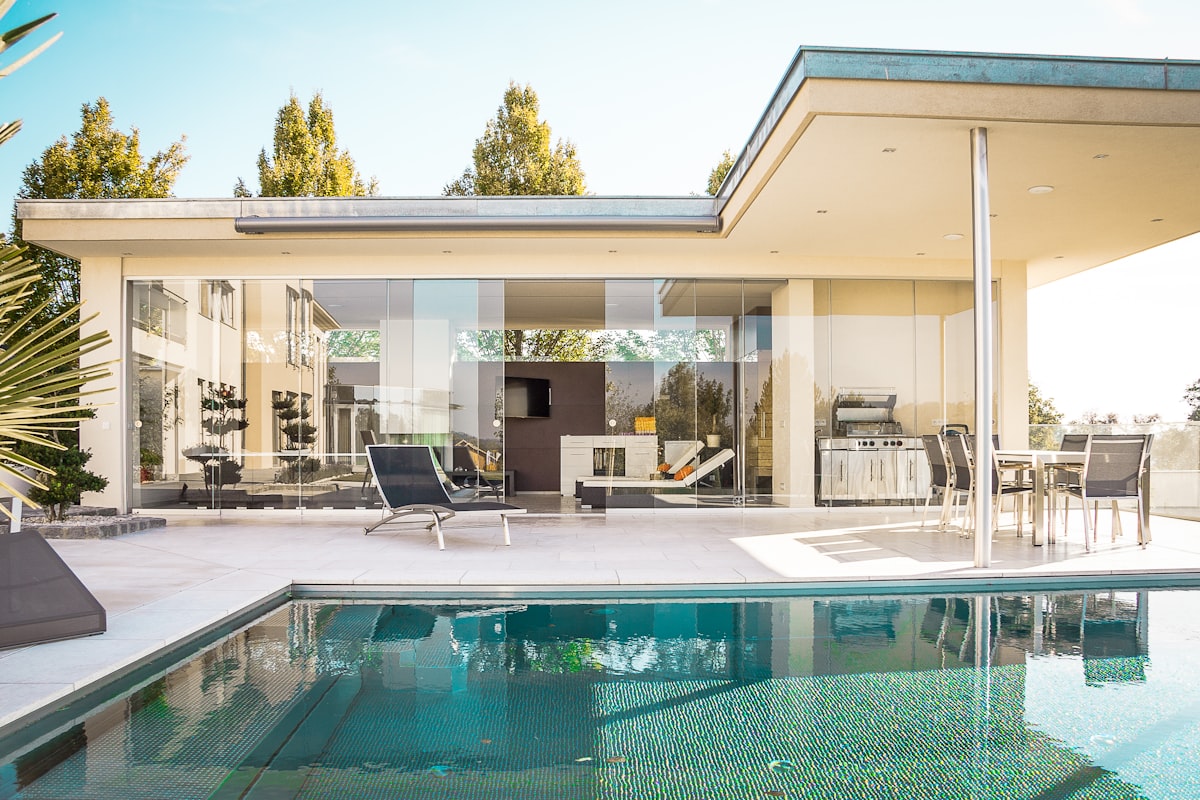
The best smart home technology is the kind you never see. In the luxury homes we work with throughout Los Angeles County—from the minimalist modern estates in Beverly Hills to the coastal sanctuaries of Manhattan Beach—the most successful installations are those that seamlessly disappear into the architecture and design.


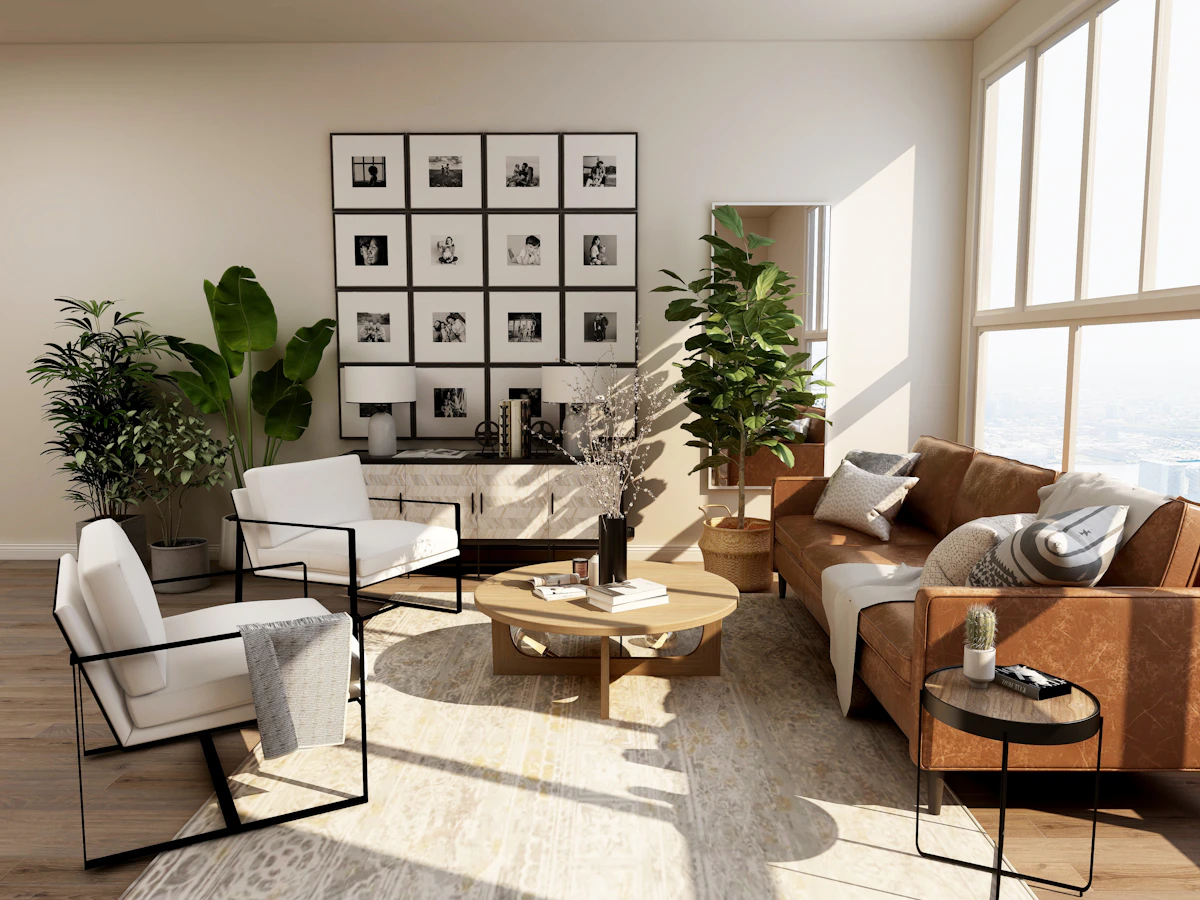
When technology becomes invisible, it transforms from a collection of gadgets into something much more powerful: an extension of how you naturally live and move through your space. The challenge lies in achieving this invisibility without sacrificing functionality or the sophisticated aesthetic that defines high-end residential design.


Planning for Invisibility: The Art of Concealment


True invisible integration starts during the design phase, not after construction is complete. We've learned that the most elegant solutions emerge when smart home systems are considered alongside electrical, plumbing, and HVAC planning. This approach allows for strategic placement of components within walls, ceilings, and custom millwork rather than surface-mounting devices as afterthoughts.


In Brentwood homes with their emphasis on clean lines and uncluttered spaces, we often incorporate control processors and network equipment into dedicated mechanical rooms or custom-built cabinetry. These spaces, while hidden, remain easily accessible for maintenance and upgrades—a crucial consideration for long-term system reliability.


The key to invisible technology lies in understanding that different components require different concealment strategies. Speakers, for instance, can be completely hidden within walls and ceilings using architectural models that blend with the surface texture. When properly installed and calibrated, in-wall speakers in a Pacific Palisades great room can fill the space with concert-quality sound while remaining completely undetectable to the eye.


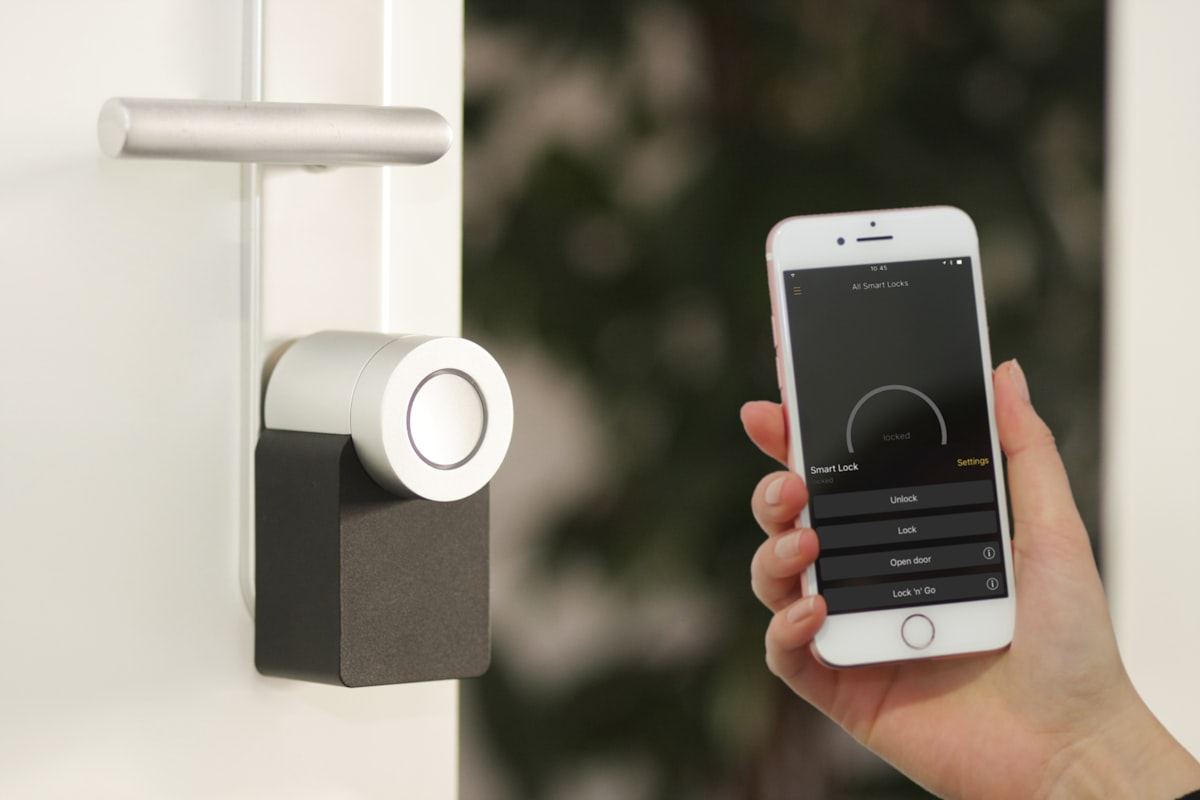
Control interfaces present perhaps the greatest design challenge. While smartphones and tablets offer universal control, physical interfaces remain important for intuitive operation and guest access. Custom keypads can be designed to match existing switch plates, while touchscreen controllers can be integrated into walls with seamless mounting systems that make them appear as natural extensions of the architecture.


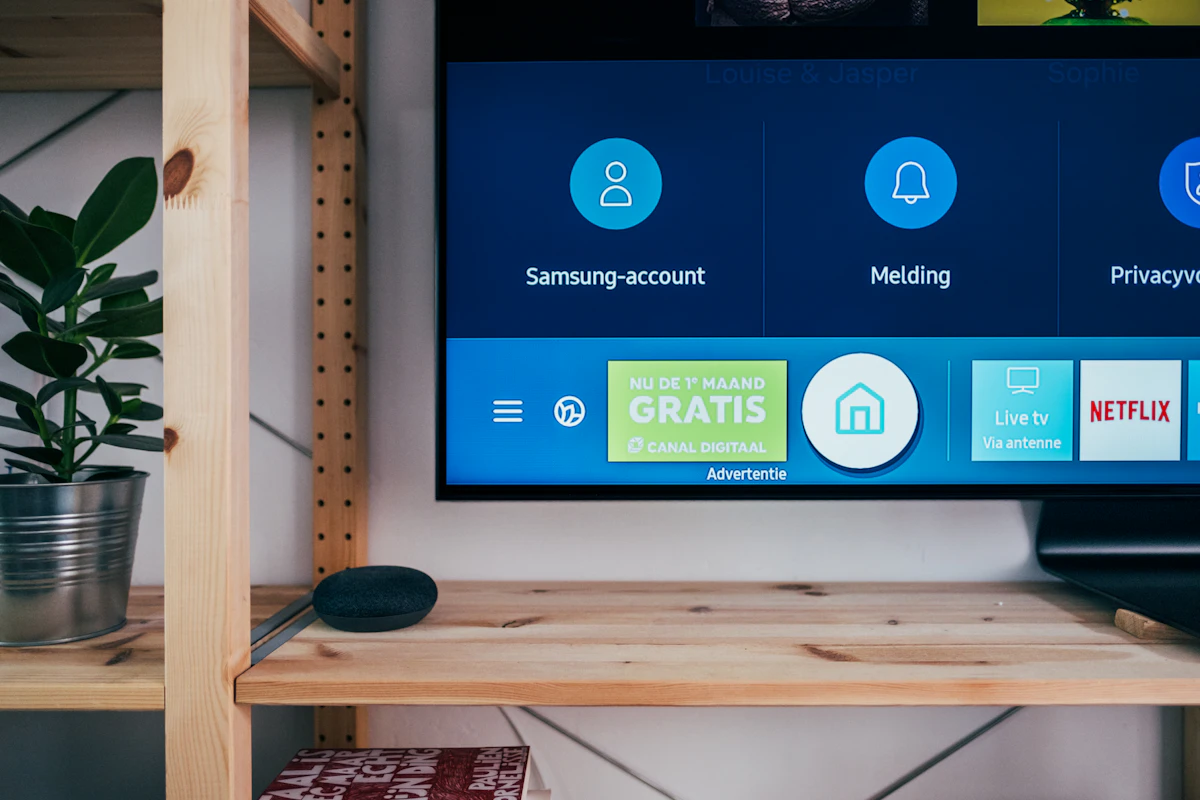
For video displays, the trend toward ultra-thin panels and motorized concealment systems has revolutionized possibilities. Televisions can rise from custom cabinetry, descend from ceiling recesses, or even hide behind two-way mirrors in master suites. The technology has advanced to the point where a 75-inch display can appear and disappear at the touch of a button, maintaining the room's design integrity when not in use.


Lighting: Where Technology Meets Artistry


Smart lighting systems offer the most dramatic example of invisible technology's impact. Advanced LED systems can be completely hidden within architectural elements—cove lighting, toe kicks, and reveal details—while providing sophisticated color tuning and dimming capabilities.


In recent Malibu installations, we've integrated linear LED systems that provide both task and ambient lighting while remaining completely concealed within custom millwork. The result is lighting that appears to emanate from the architecture itself, responding to time of day, occupancy, and personal preferences without any visible fixtures or controls.


The Network: The Invisible Foundation


Perhaps the most critical invisible element is the network infrastructure itself. High-performance Wi-Fi systems with strategically placed access points ensure seamless connectivity throughout sprawling estate properties without visible antennas or equipment. Hardwired connections for critical components like security cameras and media systems run through carefully planned pathways that respect both the home's structure and its aesthetic.


Beyond Concealment: Integration


True invisible technology goes beyond hiding components—it's about creating systems that respond intuitively to how you live. Motion sensors hidden within architectural details can trigger lighting and climate adjustments as you move through your home. Window treatments can respond to sun angles and time of day. Security systems can arm and disarm based on location and behavioral patterns.


The goal is technology that anticipates needs rather than waiting for commands, creating an environment that feels naturally responsive rather than mechanically controlled.


Creating truly invisible smart home systems requires expertise in both technology and design, along with careful coordination between multiple trades. If you're planning a new construction or major renovation project and want to explore how invisible technology could enhance your living experience, we'd welcome the opportunity to discuss your vision and share ideas specific to your space and lifestyle.


Comments


bottom of page